
Why do I smell bad even after showering?
It is one of the most frustrating experiences: you’ve spent fifteen minutes scrubbing, you’ve used your favorite botanical body wash, but ten minutes after drying off, you notice a lingering scent.
If you feel like you're losing the battle against body odor despite a solid , you aren't alone. In 2026, we understand more than ever about the human microbiome and how "smelling bad" is often a biological puzzle rather than a lack of cleanliness.
Here are the seven most common reasons why the shower isn't cutting it—and how to fix them.
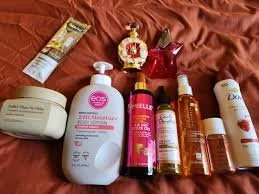
1. The "Biofilm" Factor (Bacteria Armor)
Standard soap doesn't always kill odor-causing bacteria; it just moves them around. Some bacteria create a "biofilm"—a sticky, invisible shield that clings to skin and hair follicles.
The Fix: Use an antibacterial wash or a gentle chemical exfoliant (like a wash containing Salicylic Acid) on your underarms twice a week. This breaks down the protein "glue" that keeps bacteria attached to your skin.
2. Your Towel is the Culprit
If your towel doesn't dry completely between uses, it becomes a breeding ground for mildew and bacteria. When you "dry off," you are actually rubbing that bacteria back onto your clean skin.
The Fix: Change your towel every two days. In 2026, many experts recommend waffle-weave towels or antimicrobial silver-infused fabrics, which dry much faster than plush cotton.
3. "Locked-In" Odor in Clothing
Synthetic fabrics like polyester (common in gym wear and fast fashion) are "oleophilic," meaning they love oil. Standard laundry detergents often fail to remove the oily skin cells trapped in the fibers. Once your body heat warms up the garment, the old odor "activates."
The Fix: Use an enzyme-based laundry detergent specifically designed for synthetics. If a shirt smells bad the moment you put it on, the issue is the fabric, not your body.
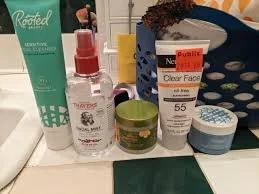
4. Residual Deodorant Buildup
If you don't thoroughly scrub off yesterday’s deodorant, it can form a waxy layer on your skin that traps bacteria underneath. New deodorant applied on top of this layer won't be effective.
The Fix: Use a washcloth or an exfoliating mitt on your underarms daily to ensure you’re starting with a truly bare skin surface.
5. Hyperhidrosis or Bromhidrosis
Sometimes, persistent odor is a medical condition. Bromhidrosis is a condition where the bacteria on your skin break down sweat into unusually potent fatty acids.
The Fix: If natural methods fail, a dermatologist can prescribe clinical-strength antiperspirants or treatments like MiraDry, which have become gold-standard solutions in 2026.
6. Diet and "Metabolic" Odors
What you eat affects the chemical composition of your sweat. In 2026, high-protein "carnivore" diets or heavy use of certain supplements (like choline or high-dose fish oil) have been linked to a "fishy" or "ammonia" body scent that soap cannot wash away.
The Fix: Review our guide on to see which foods help neutralize your internal chemistry.
7. The "Damp Skin" Mistake
Dressing while your skin is still even slightly damp traps moisture in dark, warm areas (underarms, under-bust, groin). This creates a "greenhouse effect" for bacteria.
The Fix: Use a hair dryer on the "cool" setting to ensure your underarms and skin folds are 100% dry before applying deodorant or clothes.
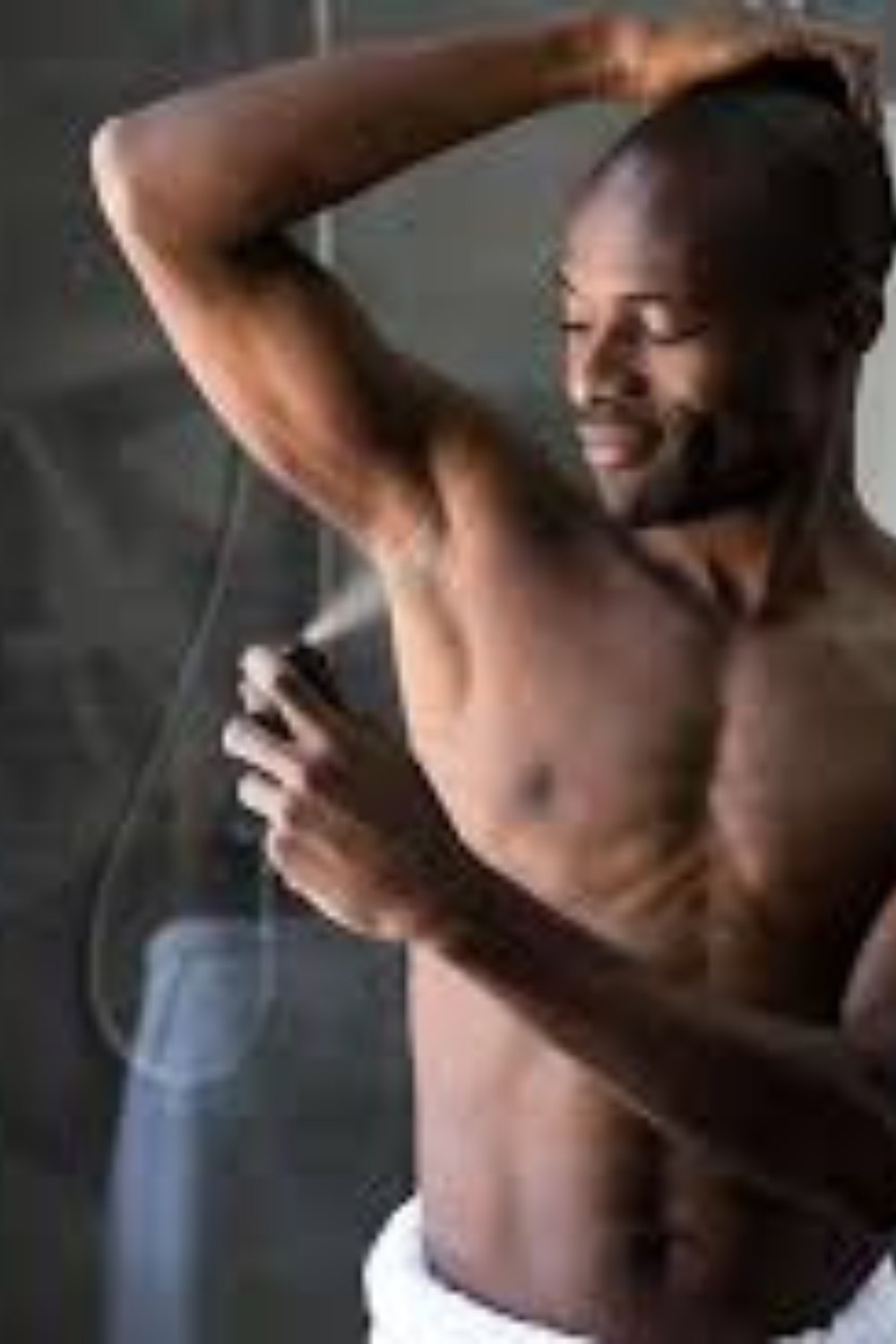
Comparison: Standard Wash vs. Deep Deodorizing
When to See a Professional
If you have tried the tips above and the odor has a specific, "off" quality—such as smelling like fruit (potential diabetes indicator), ammonia (potential kidney/liver issue), or if it is localized to one area—it is worth a quick visit to a doctor. Body odor is a biological signal; sometimes, it’s trying to tell you something.
Final Expert Tip: Once you've solved the source of the odor, you can focus on building a beautiful scent profile. Start with our to create a fragrance that lasts.