
How to Smell Good All Day Naturally: Beyond the Perfume Bottle
We’ve all been there: you apply your favorite scent in the morning, but by lunchtime, it’s a distant memory. While high-end colognes and perfumes have their place, the secret to a consistent, magnetic scent "bubble" isn't just about what you spray on—it’s about how you treat your body.
In 2026, the trend has shifted toward "skin-first" fragrance. This means focusing on natural chemistry and clean habits to ensure you smell fresh from the inside out. This guide breaks down the science of smelling good naturally, from your diet to the way you wash your clothes.

1. The Foundation: Strategic Hygiene
Smelling good naturally starts with managing the bacteria that cause odor in the first place.
Target the "Odor Zones": Focus your scrubbing on the areas with the highest density of apocrine sweat glands—underarms, groin, and feet. Use a pH-balanced, natural soap that cleanses without stripping your skin’s protective microbiome.
Dry Thoroughly: Bacteria thrive in moisture. Ensure you are 100% dry before putting on clothes, especially in skin folds.
The Power of Exfoliation: Dead skin cells can trap bacteria and old oils. Using a natural jute mitt or a gentle AHA body wash twice a week keeps the skin surface "bright" and less prone to trapping odors.
2. Natural Scent Boosters: Essential Oils & Carriers
If you want to avoid synthetic fixatives but still want a signature scent, turn to nature’s original perfumes.
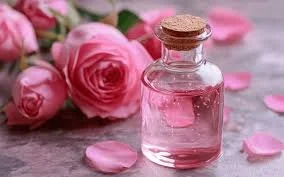
The Pulse Point Method: Apply essential oils (diluted in a carrier oil like jojoba or almond oil) to your pulse points—wrists, neck, and behind the ears. The heat from your blood flow helps diffuse the scent naturally.
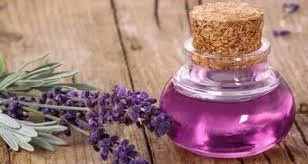
Hair Mist: Hair is highly porous and holds scent longer than skin. Add 5 drops of sandalwood or lavender oil to a spray bottle of water and lightly mist your hair.
Natural Fixatives: Use a natural "glue" for your scent. Applying a thin layer of unscented shea butter or coconut oil to your skin before applying fragrance (natural or otherwise) creates a surface that the scent molecules can cling to, significantly increasing longevity.
3. Internal Fragrance: What You Eat Matters
Your sweat is a byproduct of what your body is processing.
Hydrate for Freshness: Water flushes out toxins that can cause pungent sweat. When you’re dehydrated, your sweat is more concentrated and has a stronger odor.
Chlorophyll-Rich Foods: Often called "nature's deodorant," green leafy vegetables like spinach, kale, and parsley are rich in chlorophyll, which helps neutralize odor-causing compounds in the body.
Citrus & Zinc: Consuming citrus fruits can give your skin a subtle, fresh "zing," while ensuring you have enough zinc in your diet helps regulate how your body handles sweat.
Quick Tips for All-Day Freshness
MethodWhy it WorksExpected DurationWitch Hazel RinseLowers skin pH so bacteria can't grow.4–6 HoursCotton/Linen FabricsAllows skin to breathe; prevents sweat buildup.All DayEssential Oil LayeringBuilds a complex, long-lasting natural profile.6–8 HoursMagnesium OilA natural mineral that kills odor-causing bacteria.8–12 Hours
4. The Environment: Scenting Your Wardrobe
How your clothes smell is just as important as how your skin smells.
Cedar and Lavender Sachets: Skip the chemical dryer sheets. Place dried lavender or cedar blocks in your drawers. These natural materials naturally repel moths and infuse your clothes with a woody, clean aroma.
The Vodka Spray Hack: To refresh clothes between washes, lightly mist them with a mixture of cheap vodka and water (50/50). As the alcohol evaporates, it lifts away odors without leaving a scent of its own.
5. Managing "Natural" Deodorants
Switching to an aluminum-free lifestyle is a top goal for many in 2026, but it requires a strategy.
The Transition Period: If you’re switching from an antiperspirant, your body may "purge" for 1-2 weeks. Use a charcoal armpit mask during this time to speed up the process.
Look for Probiotics: The best natural deodorants today use probiotics to outcompete "stinky" bacteria, rather than just masking the smell with baking soda.
Pro Tip: Never rub your wrists together after applying a natural oil or perfume. This "crushes" the delicate top notes and causes the scent to evaporate much faster. Let it air-dry naturally to preserve the fragrance's integrity.
Frequently Asked Questions
Can I really smell good without perfume?
Yes. By focusing on a clean diet, high-quality natural fabrics, and "biological" deodorants, you can maintain a clean, pleasant baseline scent that is often more attractive than a heavy synthetic fragrance.
What is the best natural scent for longevity?
Base notes like Sandalwood, Patchouli, and Vanilla have larger molecular structures and take much longer to evaporate than citrus or floral oils.
Does drinking lemon water help you smell better?
Lemon water aids digestion and detoxification. While it won't make you smell like a lemon overnight, a healthier gut generally leads to a cleaner natural body odor.
Are essential oils safe for everyone?
Always perform a patch test first. Essential oils are potent and should always be diluted in a carrier oil before being applied to the skin to avoid irritation.
For more tips on finding your signature scent or mastering the art of affordable luxury, check out our [Perfume Layering Guide 2026] or browse our collection of [Best Vanilla Perfumes] at Fragrantix.