
How to Remove Body Odor from Clothes Permanently: The 2026 Laundry Reset
We have all experienced it: you pull a freshly washed shirt out of the closet, it smells fine, but within ten minutes of putting it on, a strong, stale sweat smell suddenly breaks through. You haven’t even started sweating yet, so what gives?

In 2026, fabric scientists call this phenomenon "permeation" or fabric biofilm accumulation. Standard laundry detergents are designed to wash away water-soluble dirt, but they often fail to dissolve the oily, waxy lipids secreted by your apocrine sweat glands. Over time, these body oils stick to the synthetic fibers of your clothes, trapping odor-causing bacteria in an invisible, waterproof shield. When your body heat warms up the fabric, the moisture "wakes up" the bacteria, and the stink returns.
To remove body odor from clothes permanently, you cannot just wash them again—you have to strip the biofilm. Here is exactly how to do it at home.
1. The Pre-Soak Solution: Acid vs. Biofilm
The single most effective way to break the bond between body oils and synthetic fibers (like polyester, nylon, and spandex) is an acidic pre-soak.
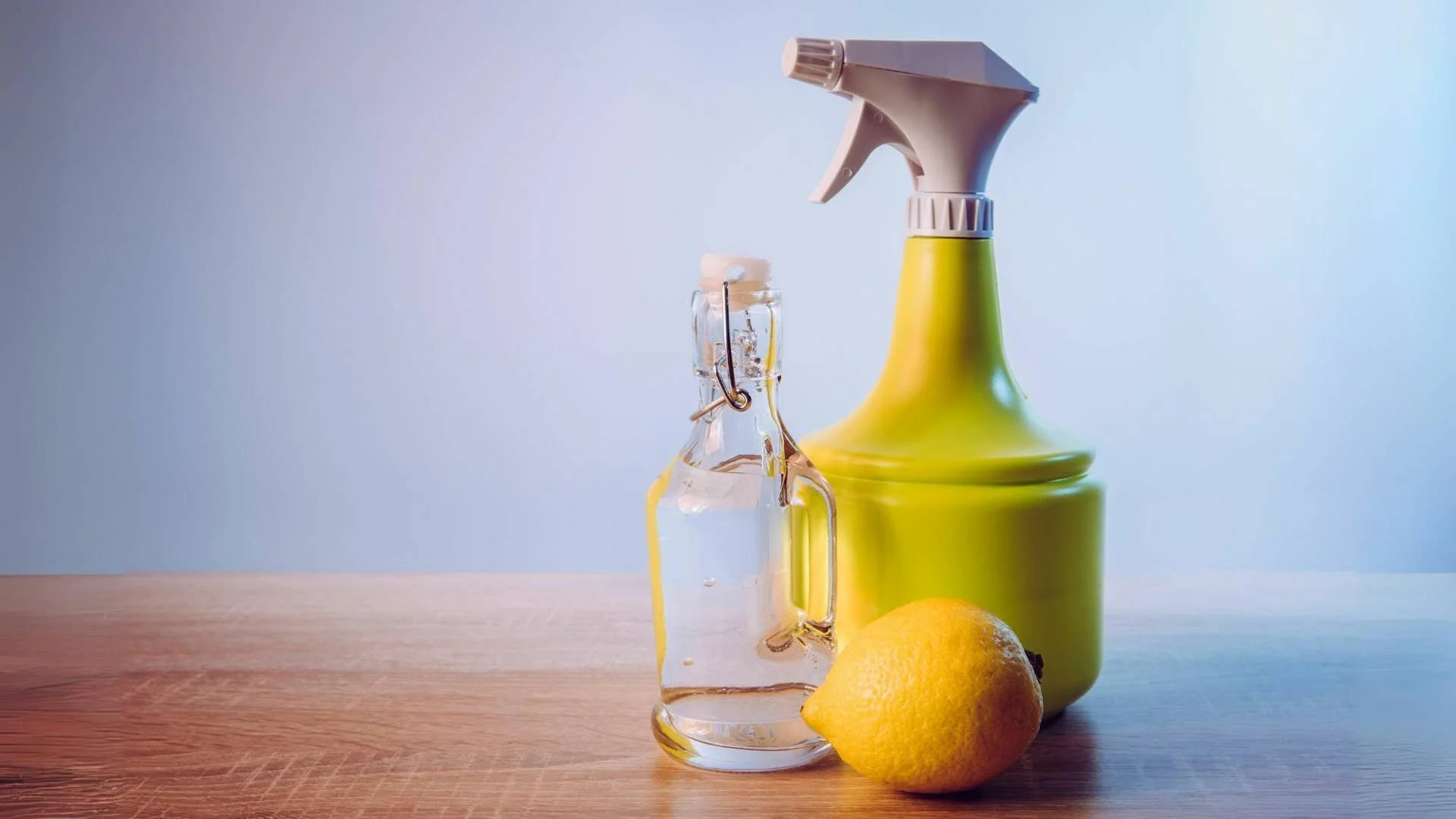
The White Vinegar Bath: Fill a sink or a bucket with warm water and add 1 to 2 cups of plain white distilled vinegar. Submerge the smelly garments and let them soak for 30 to 60 minutes before putting them in the washing machine. The acetic acid cuts through the oily buildup and sanitizes the fibers.
The Targeted Spray: For persistent armpit stains and odors, mix a 50/50 solution of white vinegar and water in a spray bottle. Saturate the underarm zones of the shirts immediately after taking them off and let it sit until laundry day.
2. The Alkaline Boost: Oxygen Bleach and Baking Soda
If your clothes have a deep-set, sour smell, you need to alter the pH environment during the wash cycle to break down acidic sweat proteins.
Baking Soda Flush: Add a half-cup of baking soda directly into the washing machine drum with your clothes. Baking soda is a natural deodorizer that neutralizes alkaline and acidic odor molecules alike.
Sodium Percarbonate (Oxygen Bleach): Unlike harsh chlorine bleach, color-safe oxygen bleach releases hydrogen peroxide when mixed with water. It deeply penetrates the knit of activewear to blast away organic matter without ruining the colors.
3. The Laundry Rules You Must Change
Sometimes, your actual laundry habits are what keep the bacteria alive. To permanently fix the issue, audit your routine:

Ditch the Fabric Softener: Fabric softeners work by coating the fibers of your clothes in a thin layer of petroleum-based wax to make them feel soft. This wax acts as a blanket, sealing the sweat oils and bacteria inside the fibers so the detergent can never reach them. Use wool dryer balls instead.
Turn Clothes Inside Out: Your skin, sweat, and sebum rub against the inside of your shirts and leggings. Always wash your garments inside out so the water and soap make direct contact with the soiled areas.
Don't Overload the Machine: Clothes need friction to get clean. If the washing machine is stuffed to the brim, the garments can't rub against each other, and the water won't rinse away the dissolved grime effectively.
Fabric Odor Removal Playbook
MethodBest Used ForWhy It WorksWhite Vinegar SoakGym clothes, polyester, synthetic blendsBreaks down waxy body oils.Baking Soda PasteYellow armpit stains on cotton shirtsLifts sweat proteins and brightens fabrics.Sports DetergentHigh-performance activewear, spandexUses specialized enzymes to target lipids.Sun-Drying (UV Light)Whites, linens, natural fibersNaturally kills bacteria and bleaches stains.
4. Emergency Measures for Stubborn Items
If you have a favorite shirt that still smells bad after a vinegar soak, it's time for the "nuclear options."
The Enzyme Strip: Look for a specialized "sports detergent" or an additive that contains lipase and protease enzymes. These enzymes literally eat away the specific fats and proteins that make up human sweat.
The Sunshine Cure: After washing, skip the dryer and hang your clothes outside in the direct sunlight. The sun's ultraviolet (UV) rays are a powerful, natural disinfectant that destroys lingering microbial life on the fabric. (Note: Keep dark clothes inside out to prevent fading.)
Pro Tip: Never leave damp clothes sitting in the washing machine or a gym bag. Mold and mildew love dark, humid spaces, and they will form a secondary odor profile within hours that is even harder to remove than body odor. If you can't wash your workout clothes immediately, hang them up to air-dry before throwing them into the hamper.
Frequently Asked Questions
Will the vinegar smell stay in my clothes?
No. While the clothes will smell like vinegar while wet, the scent completely disappears as the fabric dries, leaving behind a neutral, crisp cleanliness.
Why does polyester smell worse than cotton?
Polyester is hydrophobic (repels water) but oleophilic (absorbs oil). It practically glues itself to your body's natural sebum, making it a perfect breeding ground for bacteria. Cotton absorbs water, which allows detergents to rinse through the fibers much more easily.
Can I use boiling water to sanitize my clothes?
While boiling water kills bacteria, it can shrink cotton, ruin elastic bands, and melt the delicate synthetic fibers in activewear. Stick to warm water paired with white vinegar or an enzyme cleaner instead.
Now that your wardrobe is perfectly fresh, find your new signature scent by reading our [Perfume Layering Guide 2026] or explore our expert-backed curation of the [Best Zara Perfumes for Men and Women in 2026].
Are the clothes you're trying to save mostly synthetic workout gear, or are you dealing with everyday work shirts and blouses?
Affiliate Disclosure
This article may contain affiliate links. If you buy through these links, we may earn a small commission at no extra cost to you.