
Why Do My Armpits Smell So Bad Even with Deodorant? (2026 Guide)
Few things are more discouraging than executing your morning routine, applying your favorite deodorant, and still catching a whiff of body odor just a few hours later. When deodorant fails, it is easy to assume you just need a stronger product.
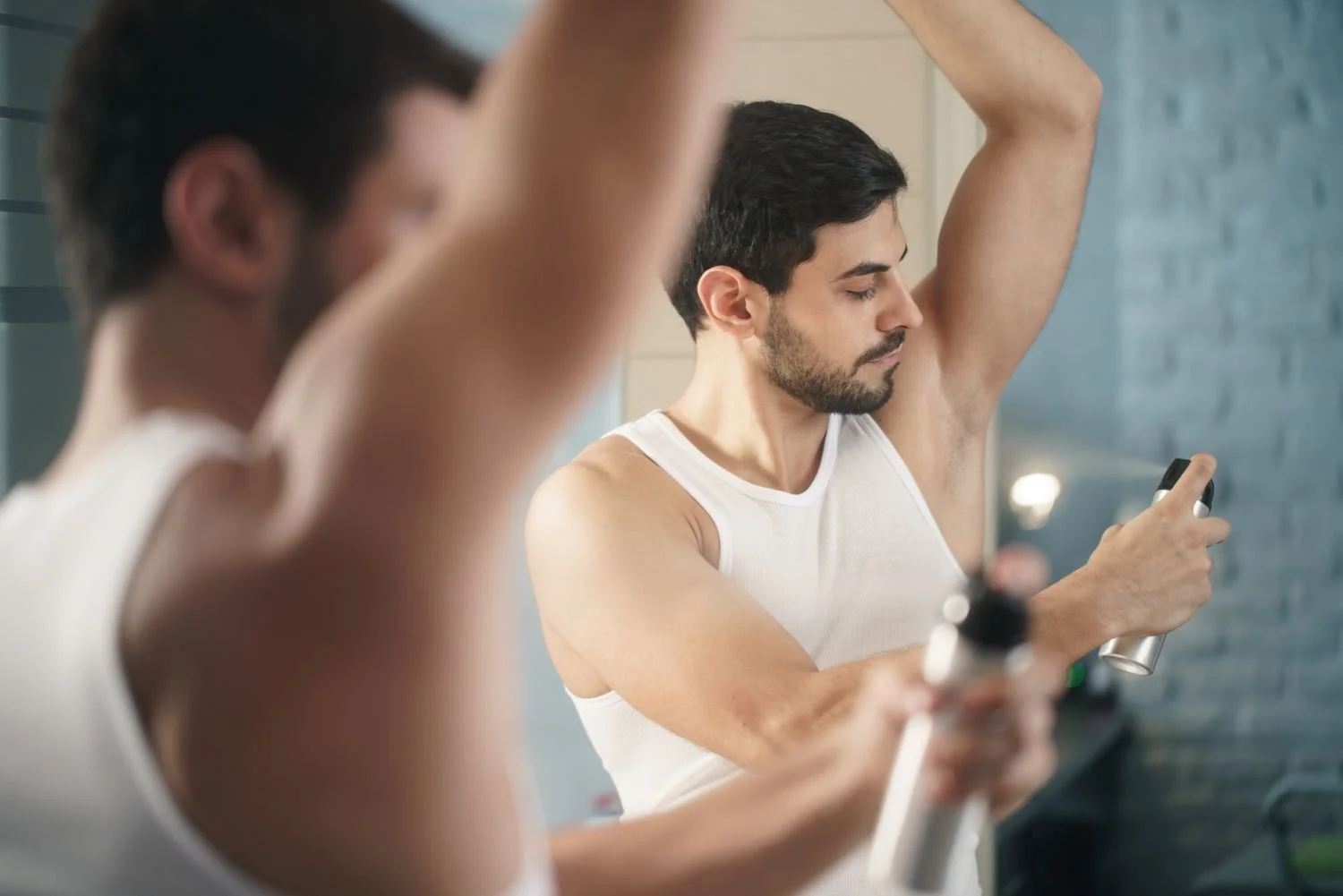
However, in 2026, dermatologists and fragrance experts agree: breakthrough odor is rarely a product strength issue. Instead, it is usually caused by a "shield" of bacteria, a chemical mismatch with your product, or invisible residue trapped in your clothes. Here is the breakdown of why your deodorant is failing you and exactly how to fix it.
1. The "Biofilm" Shield (Bacteria Accumulation)
Over time, regular washing removes sweat but can leave behind a stubborn layer of dead skin cells, body oils, and old deodorant wax.
The Problem: This sticky mixture forms what science calls a biofilm. Odor-causing bacteria like Corynebacterium and Staphylococcus hominis burrow into this biofilm. When you apply deodorant over it, you are simply layering fragrance on top of active bacteria. As soon as you warm up, the bacteria overpower the deodorant.
The Fix: You need a chemical reset. Use a 7% Glycolic Acid toner or a Salicylic Acid wash on your underarms twice a week. These chemical exfoliants dissolve the sticky biofilm and lower your skin's pH, creating an acidic environment where stinky bacteria literally cannot survive.
2. You Are Confounding Deodorant with Antiperspirant
It sounds simple, but using the wrong product type for your specific body chemistry is a massive culprit.
Deodorant is designed to mask smell and kill some surface bacteria. It does not stop you from sweating. If you are a heavy sweater, the sheer volume of moisture will quickly wash the deodorant away.
Antiperspirant uses aluminum salts to temporarily plug your sweat ducts, cutting off the moisture supply that bacteria feed on.
The Fix: If you are smelling bad because you are sweating right through your product, switch to a clinical-strength antiperspirant.
3. The "Ghost Odor" Trapped in Your Shirts
Sometimes, the smell isn't coming from your body at all—it's a ghost living in your wardrobe.
The Problem: Synthetic fabrics like polyester, nylon, and spandex (found in most gym gear, blouses, and undershirts) are highly oleophilic (oil-loving). They lock onto your body oils and sweat proteins. Standard laundry detergents often fail to break these down. When you put the shirt on, your body heat "re-activates" the trapped bacteria from previous wears, making you think you smell.
The Fix: Sniff your clean shirts before putting them on. If you notice a faint, stale odor, soak them in a sink with 1 cup of white vinegar and warm water for 30 minutes before washing. Never use fabric softeners on synthetics, as they coat the fibers and lock the bacteria in permanently.
Why Your Deodorant is Failing: At-a-Glance
Hidden CauseWhy It HappensThe Immediate SolutionOld Product BuildupWaxy deodorant residue traps bacteria.Exfoliate with Glycolic Acid.Incorrect TimingApplying antiperspirant to damp morning skin.Apply antiperspirant at night.Fabric ChoicePolyester fabric trapping oils.Switch to 100% cotton or bamboo.Dietary TriggersHigh-sulfur foods seeping through pores.Drink liquid chlorophyll or boost water intake.
4. Timing is Everything: The Nighttime Trick
If you are using an antiperspirant, applying it right after your morning shower is the least effective way to use it.
The Problem: Your sweat glands are highly active in the morning, and your skin is often slightly damp from the shower. The moisture pushes the product out before it can form a plug in your pores.
The Fix: Apply your antiperspirant at night before bed on completely bone-dry skin. Your body temperature drops and your sweat glands rest while you sleep, allowing the product to travel deep into the sweat ducts and block odor effectively for the next day—even through your morning shower.
5. Hormonal Shifts and Diet
Changes in your internal chemistry can drastically alter the composition of your sweat, making it highly attractive to bacteria.
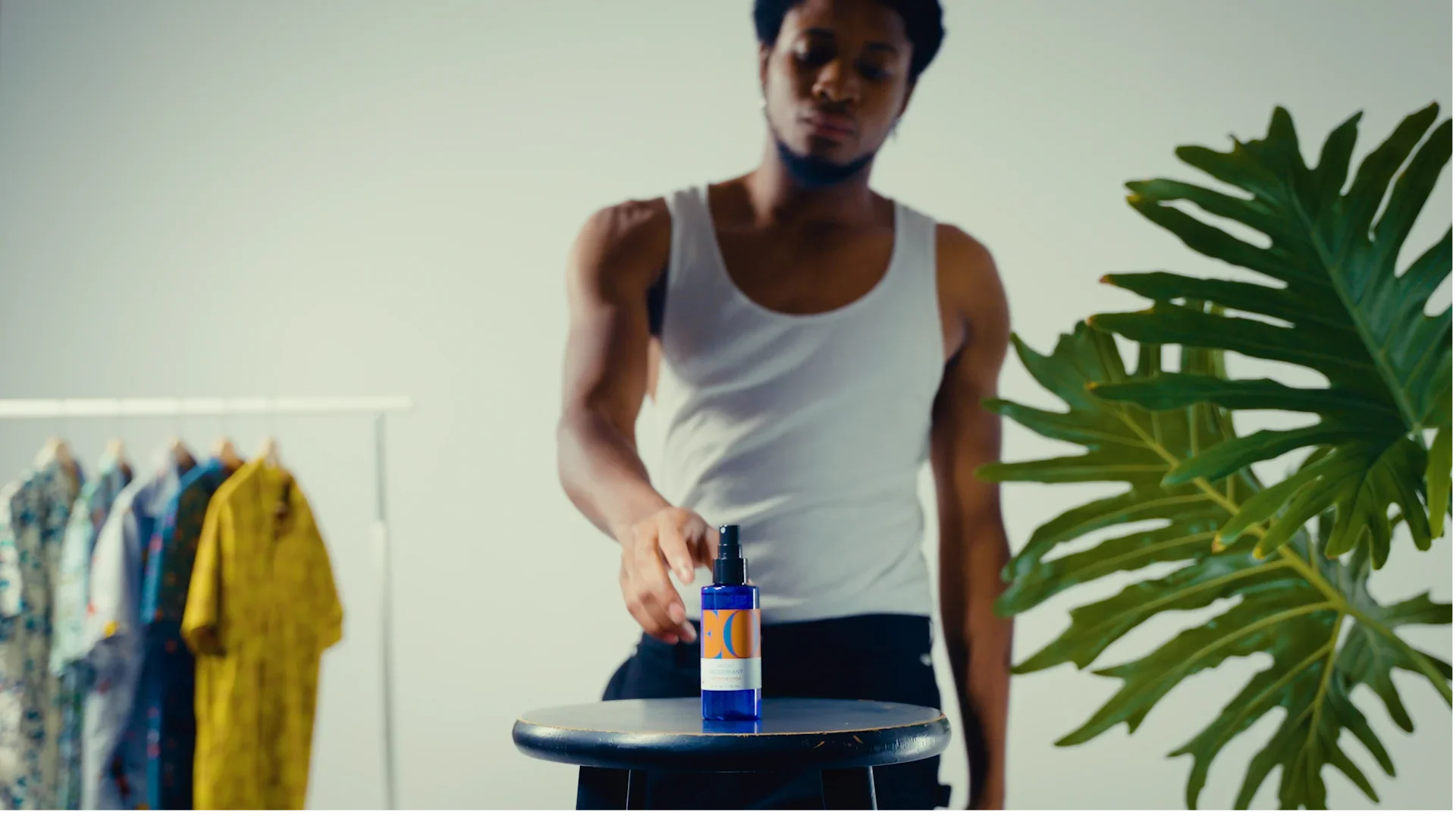
Hormones: Spikes in cortisol (stress), changes in testosterone, or monthly estrogen fluctuations (during menstruation or ovulation) trigger the apocrine glands. These glands secrete a thick, milky sweat that bacteria aggressively feast on.
Diet: Eating foods high in volatile sulfur compounds (garlic, onions, curry, broccoli) means those compounds will eventually be pushed out through your underarm pores. Deodorant simply isn't engineered to mask dietary odors.
Pro Tip: If you want to use a natural, aluminum-free option but suffer from breakthrough odor, look for Mandelic Acid deodorants (like Lume). Instead of using baking soda—which can irritate the skin and upset its natural balance—alpha hydroxy acids naturally neutralize the odor by correcting the skin’s biological ecosystem.
Frequently Asked Questions
Can my body become "immune" to a deodorant?
Not exactly immune, but the balance of bacteria on your skin can change over time. If a certain type of bacteria becomes dominant, your current deodorant formula might no longer be effective against it. Switching brands or active ingredients every 6 months can help.
Why do my armpits smell like onions or cumin?
This specific smell is caused by Corynebacterium breaking down sweat into thiol compounds. This is a very common type of body odor and responds incredibly well to Benzoyl Peroxide acne washes used as a 2-minute underarm mask in the shower.
Does armpit hair make deodorant less effective?
Yes. Hair drastically increases the surface area for bacteria to cling to, and it prevents stick or roll-on deodorants from making direct contact with the skin surface. Keeping the hair trimmed can significantly reduce odor retention.
Struggling to keep your fragrance alive through a tough day? Read our [Perfume Layering Guide 2026] or check out our guide on [How to Smell Good All Day Naturally] for more clean-skin secrets.
Have you noticed if this breakthrough smell happens more often when you're wearing certain clothes, like synthetic athletic gear or work blouses?
Affiliate Disclosure
This article may contain affiliate links. If you buy through these links, we may earn a small commission at no extra cost to you.