
Why Do My Clothes Smell After Washing? (2026 Laundry Reset)
Few household frustrations match the irritation of spending hours running laundry cycles, only to pull a load out of the machine and realize it smells worse than it did when it went into the hamper. Instead of a fresh, clean aroma, your garments carry a sour, musty, or faintly chemical odor.
In 2026, appliance technicians and fabric care specialists point to a common culprit: modern high-efficiency (HE) machines paired with a buildup of organic residue. When your clothes smell immediately after a wash, the issue isn't your detergent—it is an issue of bacterial traps, machine hygiene, or fabric chemistry.
Here is exactly why your clean clothes smell bad and the foolproof steps to eliminate the odor permanently.
1. The Washing Machine Is Harboring a "Biofilm"
The most frequent cause of smelly laundry is a dirty washing machine.
The Problem: Modern washing machines—especially front-loaders—are designed to conserve water. However, the combination of low water volumes, cold wash cycles, liquid detergents, and thick fabric softeners creates a perfect storm. Over time, an un-rinsed layer of soap scum, body oils, and lint collects behind the drum and inside the rubber door gasket. This forms a slimy biofilm packed with mold, mildew, and bacteria. Every time you run a load, the water sloshes through this slime, contaminating your "clean" clothes.
The Fix: You need to wash the machine itself. Once a month, pour two cups of white vinegar or a dedicated washing machine cleaner tablet into the drum and run a "Clean Washer" or hot sanitizing cycle. When the cycle completes, wipe down the inside of the rubber door seal—you will likely be shocked by the gray sludge hiding in the folds.
2. You Are Overusing Detergent and Fabric Softener
When it comes to laundry soap, more does not mean cleaner. In fact, the opposite is true.
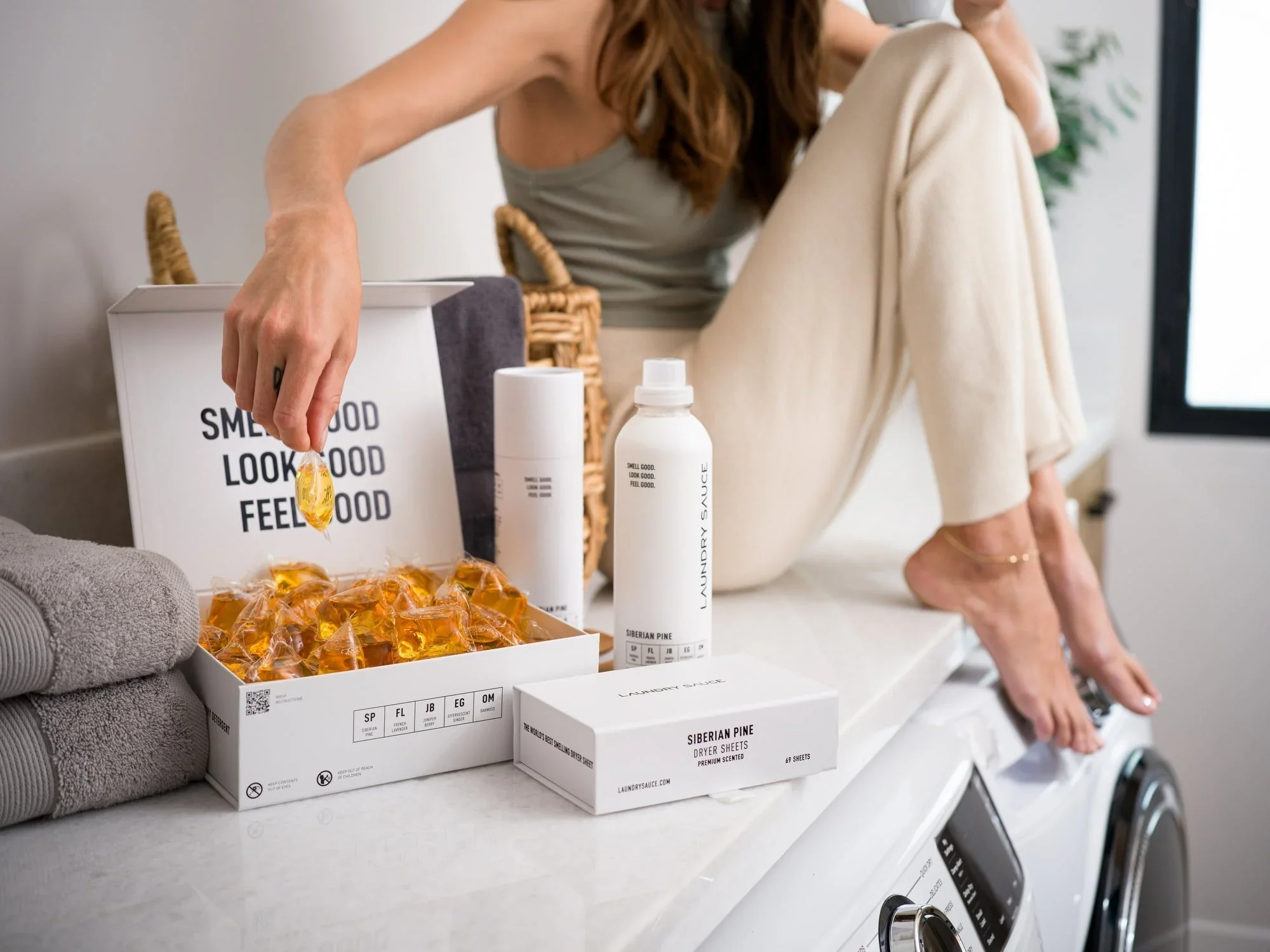
The Problem: Using too much detergent creates excess suds that your machine’s rinse cycle cannot fully flush away. The leftover soap gets trapped deep inside the fabric fibers, locking in the very dirt and body oils you were trying to wash out. Furthermore, liquid fabric softeners work by coating clothing fibers in a thin, waxy layer of silicone. This wax acts as a physical blanket, sealing sweat proteins and odor-causing bacteria inside the clothes so they can never be properly sanitized.
The Fix: Cut your detergent usage in half. For an average load, you rarely need more than two tablespoons of liquid detergent. Ditch the fabric softener completely and replace it with a half-cup of white distilled vinegar added directly to the fabric softener compartment. The vinegar naturally softens fabrics and cuts through detergent residue without leaving a scent behind.
3. The "Sour" Dampness Trap (Leaving Clothes Wet)
Bacteria multiply at an astronomical speed in dark, humid environments.
The Problem: Leaving your wet clothes sitting in the washing machine drum for even an hour after the cycle ends invites atmospheric mold spores to settle in. If you leave a load overnight, a sour "mildew" smell will bake into the fibers. Even if you dry them completely afterward, that scent profile will linger and "reactivate" the second your body heat warms up the fabric.
The Fix: Set a timer on your phone for when the laundry cycle ends. Move the clothes to the dryer or the drying rack immediately. If you accidentally leave a load in the machine overnight, do not just dry it—re-run it on a quick wash with a cup of baking soda to neutralize the sour acids
4. The "Oleophilic" Nature of Modern Synthetic Clothes
The fabrics making up your wardrobe heavily dictate how odor is retained during a wash cycle.
The Problem: If the smell is mostly affecting your gym gear, athleisure, or polyester blouses, the fabric itself is fighting the machine. Synthetic fibers are oleophilic, meaning they naturally attract and form a tight chemical bond with human sebum and fatty oils. Standard grocery-store detergents are formulated to break down water-soluble dirt, meaning they simply slide right over these stubborn, oily layers.
The Fix: Wash your synthetic clothing inside out, as this is where your body oils accumulate. Switch to a specialized sports detergent that contains active enzymes like lipase. These enzymes explicitly target and eat away the lipids and fats locked inside synthetic garment weaves.
5. Inadequate Air Circulation in Your Machine
The Problem: When you finish a load of laundry and slam the washing machine door shut, you seal moisture inside an airtight chamber. With no airflow, the residual water inside the machine pools and turns stagnant, creating an immediate breeding ground for bacteria.
The Fix: Make it a permanent habit to leave the washing machine door and detergent drawer cracked open whenever the appliance is not in use. This allows the internal components to air-dry completely, stopping mold growth before it can start.
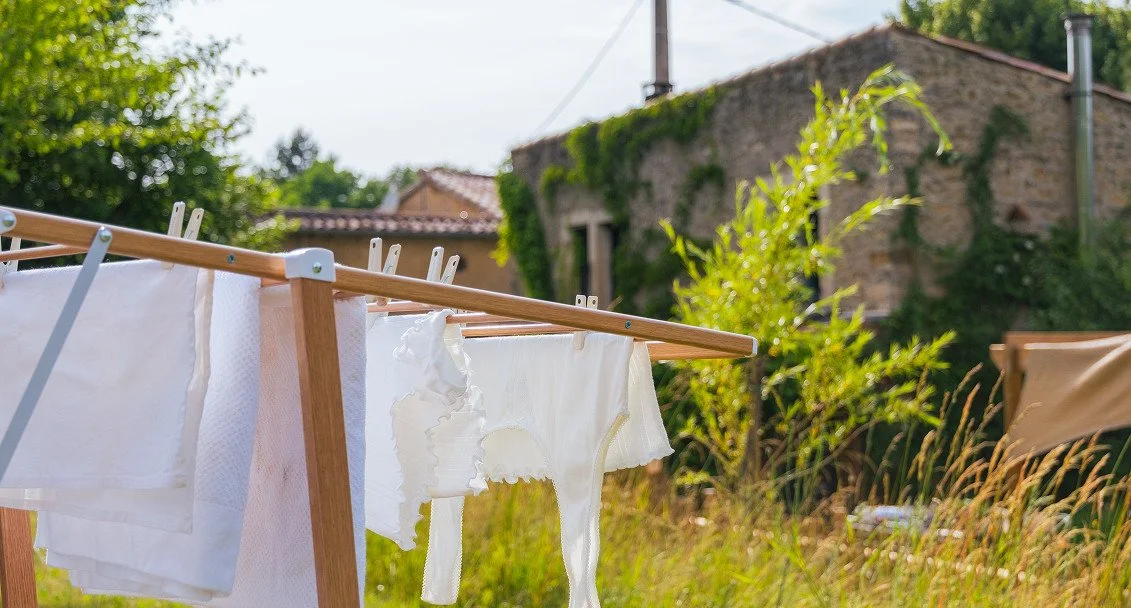
Pro Tip: If a specific shirt or a pair of jeans has a deeply embedded musty smell that won't go away, use the Sunshine Cure. After washing the item with a cup of white vinegar, hang it outside on a clothesline in direct sunlight. The sun’s ultraviolet (UV) rays serve as a powerful, entirely natural disinfectant that breaks down lingering microbial cell walls, effectively bleaching away the scent molecules.
Frequently Asked Questions
Does baking soda or vinegar work better for smelly clothes?
They both serve different purposes. White vinegar is an acid, making it excellent for breaking down waxy fabric softeners, clearing out alkaline soap scum, and cutting through body oils. Baking soda is a mild alkali, making it ideal for neutralizing acidic odors, like sour mildew or sweat aromas. Never mix them together in the same compartment, as they will neutralize each other and become ineffective.
Why do my clothes smell fine out of the washer but bad once dried?

The heat of the dryer expands the fabric fibers and warms up any latent, microscopic bacteria or body oils that the wash cycle missed. Essentially, the dryer "cooks" and vaporizes the trapped oils, making the foul scent heavily apparent.
Can I use bleach to remove odors from clothes?
While chlorine bleach kills bacteria, it is highly abrasive. It will ruin colored clothing, weaken fabric integrity over time, and can turn yellow when reacting with certain sweat proteins. Stick to oxygen-based bleaches or white vinegar instead.
Now that your wardrobe is completely clean and fresh, discover your next signature daily scent profile by exploring our [Best Zara Perfumes for Men and Women in 2026] guide or learn the secrets to fragrance longevity in our [Perfume Layering Guide 2026].
Are you noticing this foul smell across all your laundry loads, or is it isolated to specific fabrics like activewear or heavy bath towels?
Affiliate Disclosure
This article may contain affiliate links. If you buy through these links, we may earn a small commission at no extra cost to you.