
How to Store Perfume Properly: The Complete Guide to Perfume Shelf Life, Storage & Preservation
Perfume is more than just a fragrance — it’s a carefully crafted blend of oils, alcohol, and aromatic compounds. Yet many people unknowingly ruin their perfumes simply by storing them the wrong way. A fragrance that should last years can lose its magic in months if exposed to heat, light, and air.
This complete, in-depth guide will teach you exactly how to store perfume properly, how long perfumes last, how to recognize expiration signs, and how to preserve your fragrance collection like a professional.
Whether you own one bottle or a full fragrance wardrobe, this guide will help you protect your investment and keep your perfumes smelling their best.
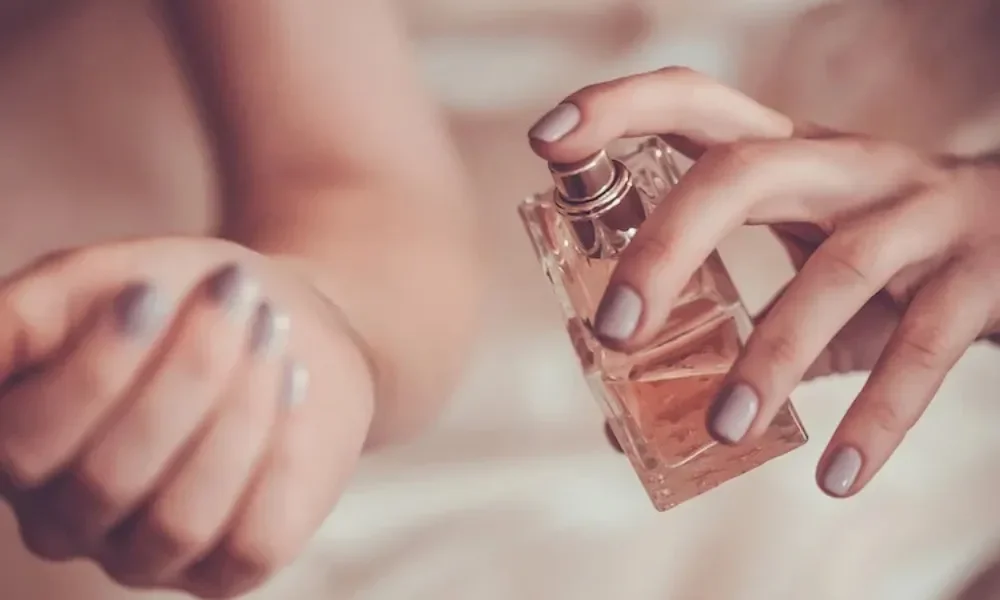
🌿 Why Proper Perfume Storage Is So Important
Perfume is a delicate chemical composition. Once exposed to damaging elements, it begins to oxidize and break down. This leads to:
weaker scent performance
sour or metallic smell
loss of top and heart notes
shorter longevity
complete fragrance spoilage
Proper storage slows down this degradation process, preserving the original scent for years.
🧪 What Is Perfume Made Of? (And Why It’s Fragile)
Understanding perfume ingredients helps explain why storage matters.
Perfume contains:
Fragrance oils (natural & synthetic)
Alcohol (acts as a carrier)
Water (small amounts)
Fixatives (help longevity)
These components react negatively to:
light
heat
oxygen
humidity
Once this reaction begins, there’s no way to reverse it — only slow it down.
⏳ Does Perfume Expire?
Short Answer: Yes — but slowly.
Most perfumes don’t have a fixed expiration date like food, but they do change over time.
Average Perfume Shelf Life
Unopened perfume: 5–10 years
Opened perfume: 3–5 years
Natural / niche perfumes: 2–4 years
Longevity depends heavily on storage conditions.
🌡️ The Biggest Enemies of Perfume
☀️ 1. Light (Especially Sunlight)
UV rays break down fragrance molecules and cause oxidation.
Damage caused:
faded scent
color changes
altered dry-down
👉 Never store perfume near windows.
🔥 2. Heat
Heat speeds up chemical reactions inside perfume.
Damage caused:
alcohol evaporation
distorted scent structure
reduced longevity
👉 Ideal storage temperature: 15–20°C (59–68°F)
🌬️ 3. Air Exposure
Every time you spray perfume, oxygen enters the bottle.
Damage caused:
oxidation
weakened top notes
sour smell
👉 Always close caps tightly.
💧 4. Humidity
Humidity affects perfume stability — especially in bathrooms.
Damage caused:
faster breakdown
contamination
alcohol imbalance
👉 Bathrooms are the worst place to store perfume.
🧴 The Best Place to Store Perfume (Ideal Conditions)
The perfect perfume storage space is:
✔ cool
✔ dark
✔ dry
✔ temperature-stable
Best Storage Locations
Bedroom drawer
Closet shelf
Closed cabinet
Dedicated perfume box
Worst Storage Locations
❌ Bathroom
❌ Near windows
❌ On vanity under sunlight
❌ Inside hot cars
📦 Should You Keep Perfume in Its Original Box?
Yes — absolutely.
Original boxes:
block light
stabilize temperature
protect against dust
Collectors and fragrance experts always keep boxes — especially for long-term storage.
🧪 Does Perfume Color Change Mean It’s Bad?
Not always — but it’s a warning sign.
Normal Color Changes
Slight darkening over years
Mild yellowing (especially vanilla perfumes)
Bad Color Changes
Cloudy appearance
Brown or green tint
Sediment formation
If the color change is dramatic, the perfume may be degrading.
👃 How to Tell If Perfume Has Gone Bad
Check for these signs:
❌ Smell Test
sour
metallic
vinegar-like
alcohol-heavy
❌ Visual Signs
cloudiness
floating particles
discoloration
❌ Performance Issues
disappears quickly
smells flat or harsh
If multiple signs appear, the perfume is likely expired.
🕰️ How Long Different Perfume Types Last
Perfume Concentration Matters
Type Shelf Life
Parfum Longest
Eau de Parfum Long
Eau de Toilette Moderate
Eau de Cologne Short
Higher oil concentration = better longevity.
Natural vs Synthetic Perfumes
Natural perfumes: expire faster
Synthetic perfumes: more stable
Perfumes with citrus and green notes degrade faster than woody or amber scents.
🧳 Traveling With Perfume: Storage Tips
Perfume can degrade quickly during travel.
Safe Travel Tips
Use travel atomizers
Avoid heat exposure
Keep in carry-on
Store upright
Never leave perfume in a hot car.
🧴 Should You Refrigerate Perfume?
This is controversial.
When Refrigeration Helps
✔ Very hot climates
✔ Rare or vintage perfumes
✔ Natural formulations
When It’s Not Necessary
❌ Everyday perfumes
❌ Frequent usage bottles
If refrigerating, keep temperature stable and bottle sealed.
🧠 Common Perfume Storage Myths
❌ “Perfume lasts forever”
False — it degrades slowly.
❌ “Bathroom storage is fine”
Humidity destroys perfume.
❌ “Shaking perfume mixes it better”
Shaking introduces air — avoid it.
🧴 How to Store a Large Perfume Collection
If you own many perfumes:
✔ Rotate usage
✔ Store backups unopened
✔ Separate daily wear from collectibles
✔ Label purchase dates
Collectors often track perfume age.
🛍️ Buying Perfume With Shelf Life in Mind
When purchasing:
Avoid very old stock
Check batch codes
Buy from trusted sellers
Fresh stock lasts longer.
✨ How to Extend Perfume Life (Best Practices)
✔ Store in dark places
✔ Keep caps tight
✔ Avoid heat & humidity
✔ Use regularly but gently
✔ Keep boxes
These habits can double a perfume’s lifespan.
🌿 Final Thoughts
Perfume is both art and chemistry. Treat it well, and it will reward you with years of beautiful scent. Proper storage doesn’t require expensive tools — just awareness and care.
If you love fragrance, protecting your perfumes is just as important as choosing them.
Affiliate Disclosure
This article may contain affiliate links. If you buy through these links, we may earn a small commission at no extra cost to you.