
The History of Cosmetics-Smelling Fragrances: From Powder Rooms to Modern Perfume
Cosmetics-smelling fragrances—often described as powdery, lipstick-like, or makeup-inspired scents—have a long and fascinating history. These perfumes don’t just smell like flowers or fruits; they recreate the soft, intimate aroma of beauty products like face powder, lipstick, and creams.
Today, they are loved for their comforting, elegant, and nostalgic feel. But their story goes back over a century.
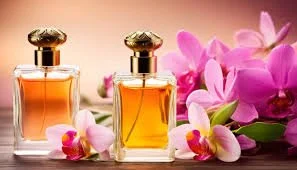
What Are Cosmetics-Smelling Fragrances?
Cosmetics-style perfumes are built to mimic the scent of:
Face powder
Lipstick
Cold cream
Makeup bags
They often feature notes like:
Iris (powdery, elegant)
Violet (soft and vintage)
Aldehydes (clean, soapy sparkle)
Musk (skin-like warmth)
Vanilla (soft sweetness)
👉 Overall vibe: Powdery • Soft • Clean • Nostalgic
These scents feel like clean skin, makeup, and elegance combined.
The Early Origins: Powder and Perfume (1900s–1920s)
In the early 20th century, perfumery and cosmetics were closely linked. Beauty routines included:
Scented face powders
Perfumed creams
Fragranced soaps
A key figure in this era was François Coty, who revolutionized both perfume and cosmetics.
He introduced:
Scented powders
Matching fragrance lines
The idea of layering scent through beauty products
These powders had a distinct soft, powdery smell, which later became a perfume style of its own.
The Golden Age: Lipstick and Powder Scents (1920s–1950s)
As makeup became more popular, perfumes began to reflect its scent.
Fragrances started to include:
Powdery iris notes
Violet and heliotrope
Aldehydes for a clean finish
One iconic example is Chanel No. 5 (1921), created by Ernest Beaux.
It introduced a soft, abstract powdery effect that many associate with classic cosmetics.
These perfumes felt:
Elegant
Feminine
Clean and luxurious
They matched the glamour of Hollywood and the rise of beauty culture.
The Mid-Century Shift: Creamy and Skin-Like (1950s–1970s)
During this period, cosmetics became more sophisticated, and perfumes followed.
Scents evolved to include:
Creamy textures
Soft musks
Warm, skin-like finishes
Perfumes no longer just smelled like powder—they smelled like makeup on skin.
This era focused on:
Intimacy
Comfort
Personal scent rather than projection
The Decline and Comeback (1980s–2000s)
In the 1980s and 1990s, bold and loud perfumes took over:
Strong florals
Heavy orientals
Powerful projection
Powdery cosmetics scents became less popular, seen as:
Old-fashioned
Too subtle
But in the 2000s, niche perfumery brought them back.
Brands started exploring:
Minimalist compositions
Skin scents
Artistic interpretations of everyday smells
The Modern Era: Makeup-Inspired Perfumes (2010s–2026)
Today, cosmetics-smelling fragrances are more popular than ever.
Modern perfumes recreate:
Lipstick (wax + iris + violet)
Face powder (musk + aldehydes)
Makeup bags (powder + sweetness + leather hints)
A great modern example is Callisto by Jul et Mad Paris, which blends powdery iris with soft vanilla for a clean, cosmetic-style scent.
These fragrances appeal because they feel:
Personal
Soft
Comforting
Unique compared to mainstream trends
Why People Love Cosmetics-Smelling Fragrances
There’s a reason these scents continue to grow in popularity.
Emotional Connection
They remind people of:
Childhood memories
Dressing tables
Beauty rituals
Soft and Intimate
Unlike loud perfumes, they stay close to the skin.
Elegant and Timeless
They never feel trendy—they feel classic.
Gender-Neutral Appeal
Modern versions are often unisex.
Key Notes That Create the “Cosmetic” Effect
Certain ingredients are essential to this style:
Iris: Powdery, luxurious, slightly earthy
Violet: Soft, airy, vintage feel
Heliotrope: Almond-like sweetness
Aldehydes: Clean, sparkling effect
Musk: Skin-like warmth
Vanilla: Smooth, comforting sweetness
These notes combine to create the illusion of makeup on skin.
Final Thoughts
Cosmetics-smelling fragrances are more than just perfumes—they are a piece of beauty history.
From the scented powders of François Coty to modern niche creations like Callisto by Jul et Mad Paris, this style has evolved while keeping its core identity.
It offers something rare in today’s fragrance world:
👉 Softness, intimacy, and timeless elegance
If you’re looking for a scent that feels like clean skin, makeup, and quiet luxury, this category is worth exploring.
FAQ
What are cosmetics-smelling fragrances?
They are perfumes that smell like makeup products such as powder, lipstick, and creams.
What notes create a powdery scent?
Iris, violet, musk, aldehydes, and vanilla are the most common notes.
Are these perfumes long-lasting?
They can last well but usually stay close to the skin with soft projection.
Are cosmetics scents old-fashioned?
Some are classic, but many modern versions feel fresh and contemporary.
Are they unisex?
Yes, many modern powdery fragrances are designed for both men and women.